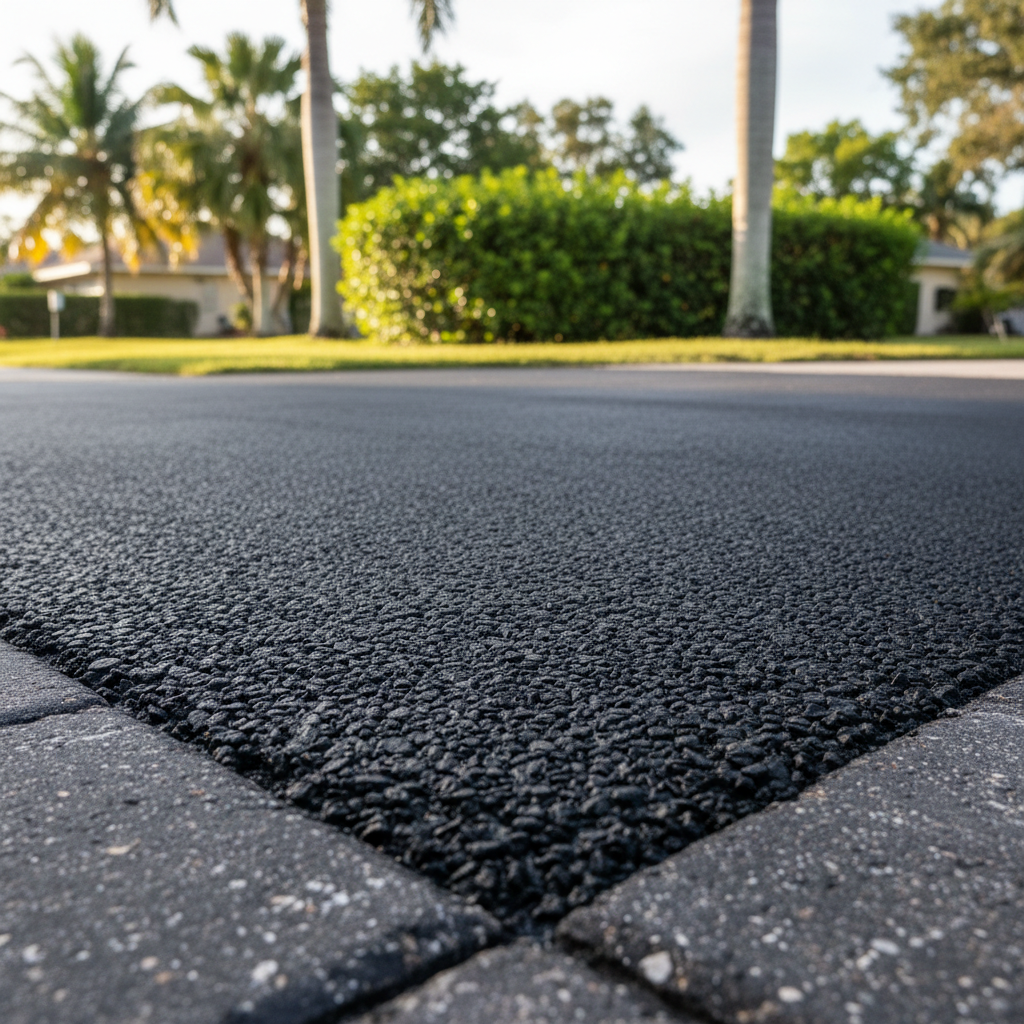
Alright, let's talk about asphalt patching. I get a lot of questions from folks around Sunrise, especially when the rainy season hits and those little cracks turn into big headaches. You want to know what's going on with your driveway, how to fix it right, and how to avoid throwing money away on a temporary solution. So, I've put together answers to some of the most common questions I hear from homeowners right here in our community.
What's the difference between patching and resurfacing?
This is probably the most common question I get. Think of it this way: patching is like putting a band-aid on a specific wound. You've got a pothole, a deep crack, or a small section that's really deteriorated. We cut out that bad section, clean it up, and fill it with new asphalt. It's a targeted repair. Resurfacing, on the other hand, is like getting a whole new skin. We'll clean and prep your entire existing asphalt surface, then lay a fresh, thin layer of new asphalt over the top. It covers everything, giving your whole driveway a uniform, new look. Patching is for isolated problems; resurfacing is for widespread, but not structural, wear.
When is patching enough, and when do I need something more?
You can usually get away with patching if the damage is localized. We're talking about individual potholes, alligator cracking in a small area, or sections where the asphalt has just crumbled away. If your driveway is mostly solid but has a few bad spots, patching is your cost-effective solution. But if you're seeing widespread cracking, multiple potholes popping up all over, or if the entire surface is showing significant wear and tear — maybe it's faded, crumbling, or has poor drainage issues everywhere — then patching is just going to be a temporary fix. You'll patch one spot only to have another fail next month. That's when you should start thinking about resurfacing or even a full replacement.
What kind of patching methods are there, and which is best for my driveway?
There are a few ways to patch, but for a durable repair, you're usually looking at a 'cut and patch' or 'remove and replace' method. This is where we actually cut out the damaged section in a neat, square or rectangular shape, remove all the old material down to the base, clean it thoroughly, apply a tack coat, and then fill it with hot asphalt mix. We compact it properly, and boom, you've got a solid repair. Sometimes, for very shallow, smaller areas, we might use a 'skin patch' or 'overlay patch,' where we just clean the area and lay a thin layer of asphalt over it. But honestly, in a place like Sunrise where we get heavy rains and intense sun, those skin patches often don't last as long. They can delaminate or crack around the edges pretty quickly. For longevity, cutting out the bad stuff and replacing it with a properly compacted hot mix is almost always the way to go.
How long does an asphalt patch usually last in Florida's climate?
A well-done patch, using the cut-and-replace method with hot mix, should last you several years, easily. We're talking 5-10 years, sometimes even longer, depending on traffic and how well you maintain your driveway overall. The key is proper preparation and compaction. If someone just throws cold patch into a pothole, especially in our hot, humid climate with all the rain, you'll be lucky if it lasts a year. That cold patch just doesn't bond or compact like hot mix, and water gets under it faster. The intense UV rays here also break down asphalt over time, so even good patches benefit from regular sealcoating of your entire driveway.
Can I just buy a bag of cold patch and do it myself?
You can, sure. You can buy cold patch at any home improvement store. But here's what I've seen: it's a very temporary fix. It's okay if you have a small, shallow pothole and need to fill it immediately to prevent a trip hazard or further damage before you can get a professional out. But cold patch doesn't bond well, it doesn't compact as densely as hot asphalt, and it tends to break down and wash out, especially with our afternoon thunderstorms. It's a stop-gap, not a permanent repair. If you want something that lasts, you need professional equipment, hot asphalt, and the right techniques. You're better off saving your back and your money for a proper repair.
What should I look for in a contractor for asphalt patching?
First off, make sure they're licensed and insured. That's non-negotiable. Ask them about their patching method — do they just dump cold patch, or do they do a proper cut-out and hot mix repair? Get a detailed quote that explains the process. Check their reviews, especially from other homeowners in the Sunrise area. You want someone who understands our local conditions, like the sandy soil we have in some of the older neighborhoods here, which can affect base stability. A good contractor, like us at All Star Asphalt Co., will explain everything clearly and stand behind their work.
How soon after patching can I drive on my driveway?
With a hot asphalt patch, you can usually drive on it pretty quickly, often within a few hours. The asphalt cools and hardens as soon as it's compacted. However, it's not fully cured for a while. I usually tell folks to try and avoid heavy turning or sudden braking on the fresh patch for at least 24-48 hours if possible. If it's a really hot day, like a typical August afternoon here, the asphalt will stay softer for longer, so be a bit more gentle. But generally, you won't be blocked off your driveway for days.
Will the patch match my existing driveway perfectly?
Honestly? No, probably not perfectly, at least not at first. New asphalt is always darker, a deep black. Your existing driveway, even if it's been sealcoated, will have faded and weathered over time. So, there will be a color difference. Over time, with sun exposure and weathering, the new patch will lighten up and blend in better. If you want a uniform look, the best way to achieve that after patching is to have your entire driveway sealcoated. That will give everything a fresh, consistent black finish and protect both the new patch and the old asphalt.