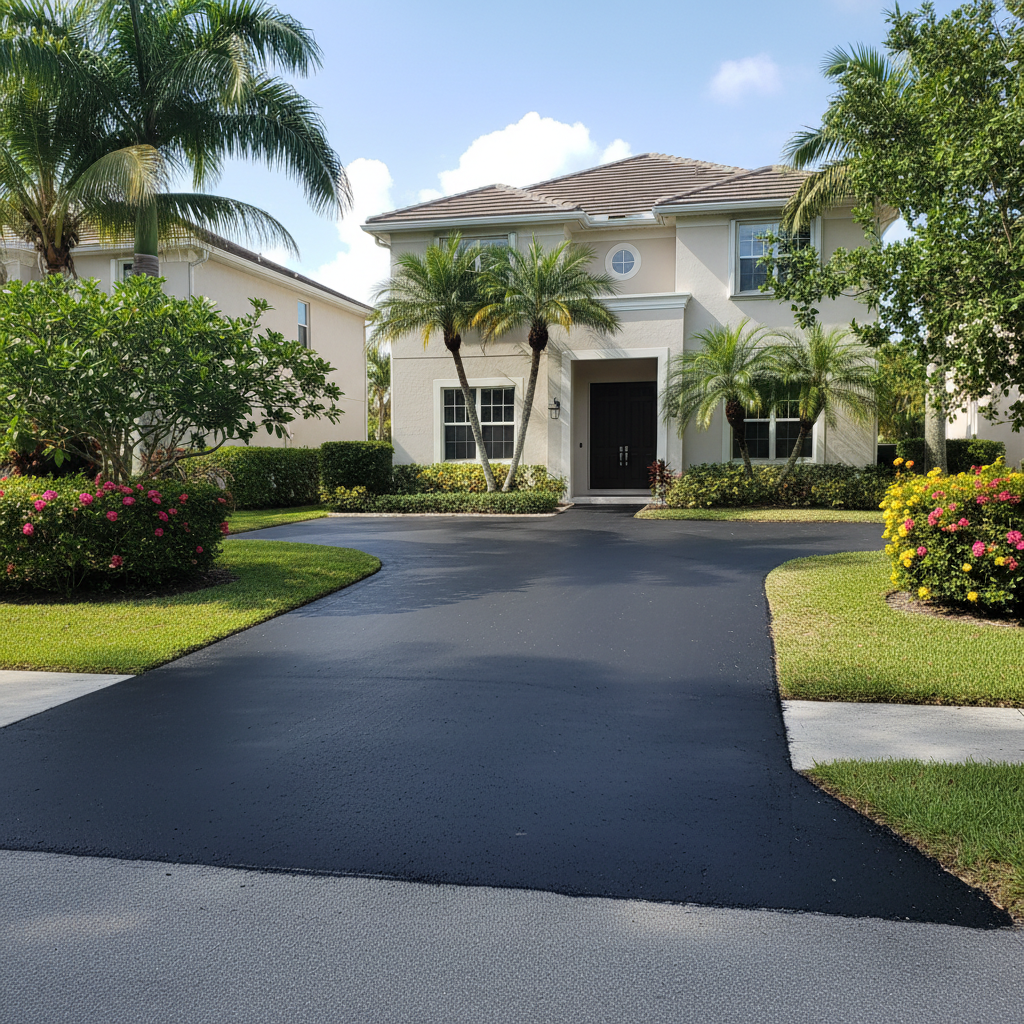
You've got a beautiful home here in Sunrise, and chances are, you want your driveway to look just as good. But let's be real, our Florida weather isn't exactly kind to asphalt. The sun bakes it, the rain washes over it, and before you know it, you're seeing cracks and fading. So, what's a homeowner to do?
I've been working with asphalt driveways all over Broward County for years, from the older homes in Springtree to the newer developments near Weston Road. I've seen firsthand what works and what doesn't when it comes to keeping your asphalt in top shape. It's all about understanding our local climate and knowing when to act.
When to Schedule Asphalt Work in Sunrise
This is probably the most common question I get. Folks call me up in the middle of July, sweating just thinking about getting their driveway redone. And I get it, you want it fixed now. But trust me, timing is everything.
For major asphalt paving or resurfacing, you're looking for cooler, drier weather. That means our prime season here in South Florida is usually from late fall through early spring. Think November to April. Why? Because the asphalt needs to cure properly. High humidity and scorching summer temperatures can mess with the curing process, leading to a less durable finish. Plus, nobody wants to be laying hot asphalt when it's 95 degrees with 90% humidity.
Now, for sealcoating, it's a bit more flexible, but still, you want dry conditions. A good rule of thumb is at least 48 hours without rain before and after the application. So, while you might get away with it in May or October, those summer afternoon downpours make it a real gamble. You don't want to pay for a fresh sealcoat only to have a sudden thunderstorm wash it away before it's set.
Weather Conditions That Affect Asphalt Work
It's not just about the season; it's about the daily conditions. Here's what I'm always watching for:
- Temperature: For new asphalt or resurfacing, we need the ground and air temperature to be consistently above 50°F (10°C). If it's too cold, the asphalt mix cools too quickly, making it hard to compact properly. Too hot, and it can stay too soft for too long, leading to issues. For sealcoating, we usually need it above 55°F and ideally not above 90°F.
- Rain: This is a big one. You can't pave or sealcoat on wet surfaces. Period. Water prevents proper adhesion and curing. Even a light drizzle can ruin a day's work. That's why those pop-up summer showers are such a pain.
- Humidity: High humidity, especially when combined with high temperatures, can slow down the drying and curing process for sealcoats. It's not a deal-breaker like rain, but it means we need to factor in longer drying times.
- Sunlight: While too much direct summer sun can be tough on fresh asphalt, some sun is good for sealcoating. It helps it dry and cure faster.
So, when you call All Star Asphalt Co. for a quote, don't be surprised if I talk a lot about the forecast. It's not just me being picky; it's about making sure your investment lasts.
Protecting Your Asphalt Investment Year-Round
Once you've got a beautiful, fresh driveway, you want to keep it that way. Here are some simple things you can do:
- Sealcoat Regularly: This is your number one defense against the Florida sun and rain. Sealcoating replenishes the binders in the asphalt, protects against UV rays, and prevents water penetration. For residential driveways here, I recommend sealcoating every 2-3 years. Don't wait until it looks completely faded and cracked; be proactive.
- Address Cracks Early: Small cracks turn into big cracks, and big cracks turn into potholes. It's a simple fact. Water gets into those cracks, expands and contracts with temperature changes (even minor ones here), and undermines the base. Get them filled as soon as you see them. It's a much cheaper fix than waiting for a full-blown repair.
- Keep it Clean: Oil spills, gasoline, and other chemicals can break down asphalt. Clean them up quickly. Also, keep heavy debris, like tree branches, off the surface, especially if they're going to sit there and trap moisture.
- Watch for Heavy Loads: If you're having a heavy moving truck or a dumpster delivered, try to have them park on the street or put down plywood to distribute the weight. Our residential driveways aren't always designed for industrial-level loads.
- Mind Your Edges: The edges of your driveway are often the weakest points. Don't drive off the edge repeatedly, as this can cause crumbling.
Look, your driveway is more than just a place to park your car. It's a big part of your home's curb appeal and a significant investment. By understanding how our unique Sunrise climate affects it and taking a few simple preventative steps, you can keep it looking great and performing well for years to come. If you've got questions or need a hand, you know who to call.