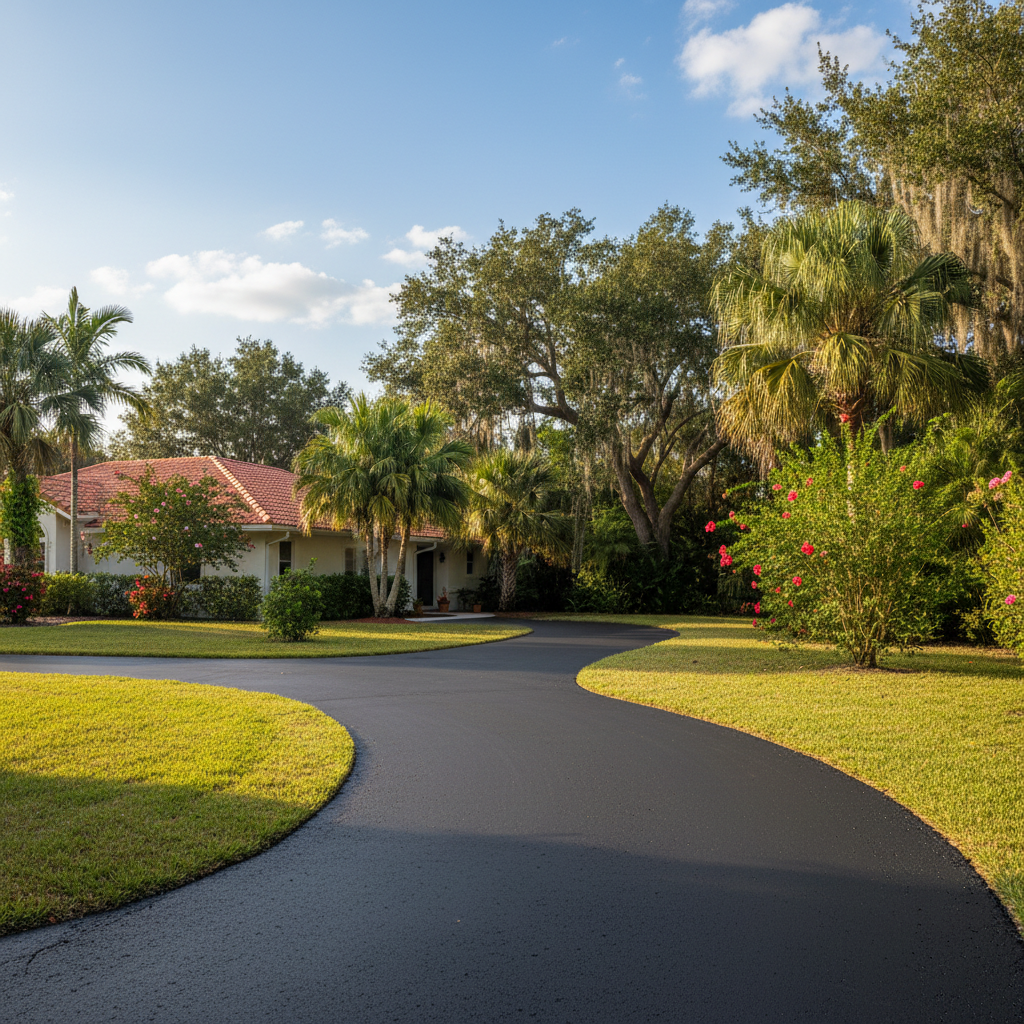
When's the Best Time for Asphalt Work in Sunrise?
Look, I get it. You've got a busy life, and thinking about your driveway probably isn't high on your list until you spot a crack or a pothole. But when it comes to getting new asphalt laid, or even major repairs done, timing really is super important here in Sunrise.
You'd think South Florida, with its endless sunshine, would be perfect any time, wouldn't you? Not quite. The sweet spot for laying asphalt is when it's warm, but not scorching, and definitely not pouring rain. That usually means late fall through early spring. Think November through April. During these months, the ground temperatures stay more stable, and we're much less likely to get those afternoon downpours that can wash out a fresh paving job.
Why does this even matter? Asphalt needs to cure properly, you see. If it's too hot, it might take longer to cool and compact, making it more likely to rut. If it's too cold (which, let's be honest, is rare here, but it does happen on those 'chilly' 50-degree mornings), the material can stiffen up too quickly, making it tough to work with and get a good, smooth finish. And rain? Forget about it. Water and fresh asphalt just don't mix. It messes with the bond and can lead to things failing way too soon. So, if you're planning a big project, like a new driveway for your home in the New River Estates area, try to schedule it for those cooler, drier months.
Weather Conditions That Make or Break Your Asphalt Job
Asphalt paving isn't just about dumping hot black stuff on the ground. It's a science, and weather plays a huge role. Here's what we're always keeping an eye on:
- Temperature: I mentioned this already, but it's worth saying again. The air temperature, and even more importantly, the ground temperature, affects how the asphalt mix cools and compacts. We're always looking for that Goldilocks zone – not too hot, not too cold.
- Humidity: High humidity can slow down how fast sealants and some repair materials cure. While it's almost always humid here, we try to avoid days where it's exceptionally muggy, especially if we're doing any kind of surface treatment.
- Rain: This is the big one. We simply cannot pave in the rain, period. It cools the asphalt too fast, stops it from compacting correctly, and can wash away the binding agents. If there's even a high chance of rain, we'll reschedule. It's always better to wait a day or two than to do a crummy job that won't last.
- Sunlight: Believe it or not, too much direct, intense sun on a freshly paved surface can also be an issue. Especially if it's combined with high temperatures, it can cause the surface to cool unevenly or even lead to cracking if the base isn't perfectly prepared.
That's why when you call All Star Asphalt Co. for a quote, we're not just looking at the size of your driveway; we're also thinking about the time of year and the typical weather patterns. We want your investment to last, after all.
Protecting Your Asphalt Investment Year-Round
So, you've got a beautiful new driveway. How do you keep it that way through our unique South Florida seasons? It's not just about avoiding potholes; it's about taking care of it proactively.
First off, sealcoating is your best friend. Think of it like sunscreen for your driveway. Our intense UV rays here in Florida are brutal on asphalt. They dry out the binders, making the surface brittle and prone to cracking. A good sealcoat every 2-3 years (depending on how much traffic it gets and how much sun it sees) will protect it from UV damage, water getting in, and even minor fuel spills. I usually recommend getting this done in the late spring or early summer, after the main rainy season starts to calm down a bit, but before the peak heat of July and August.
Next, deal with cracks and potholes right away. Don't let a small crack turn into a giant crater. Water is asphalt's worst enemy, and here in Sunrise, we get plenty of it. When water seeps into cracks, it expands and contracts with temperature changes (even minor ones here), and it can erode the base layer. This leads to bigger, more expensive problems down the road. Quick repairs really do save you money.
Also, keep it clean. Sweep off leaves, dirt, and debris regularly. These can trap moisture and speed up deterioration. If you have trees overhanging your driveway, watch out for sap and falling branches. And if you're doing any car maintenance, put down a drip pan. Oil and gas spills can break down the asphalt binders, you know.
Finally, don't overload it. If you're parking heavy RVs or commercial vehicles on a residential driveway not built for that weight, you're just asking for trouble. Most residential driveways are designed for standard cars and light trucks. If you need something heavy-duty, we can definitely chat about that during the planning stage.
Taking these steps throughout the year will help your asphalt driveway stand up to the Florida sun and rain for a long, long time. It's all about being smart and proactive, just like with any other part of your home.