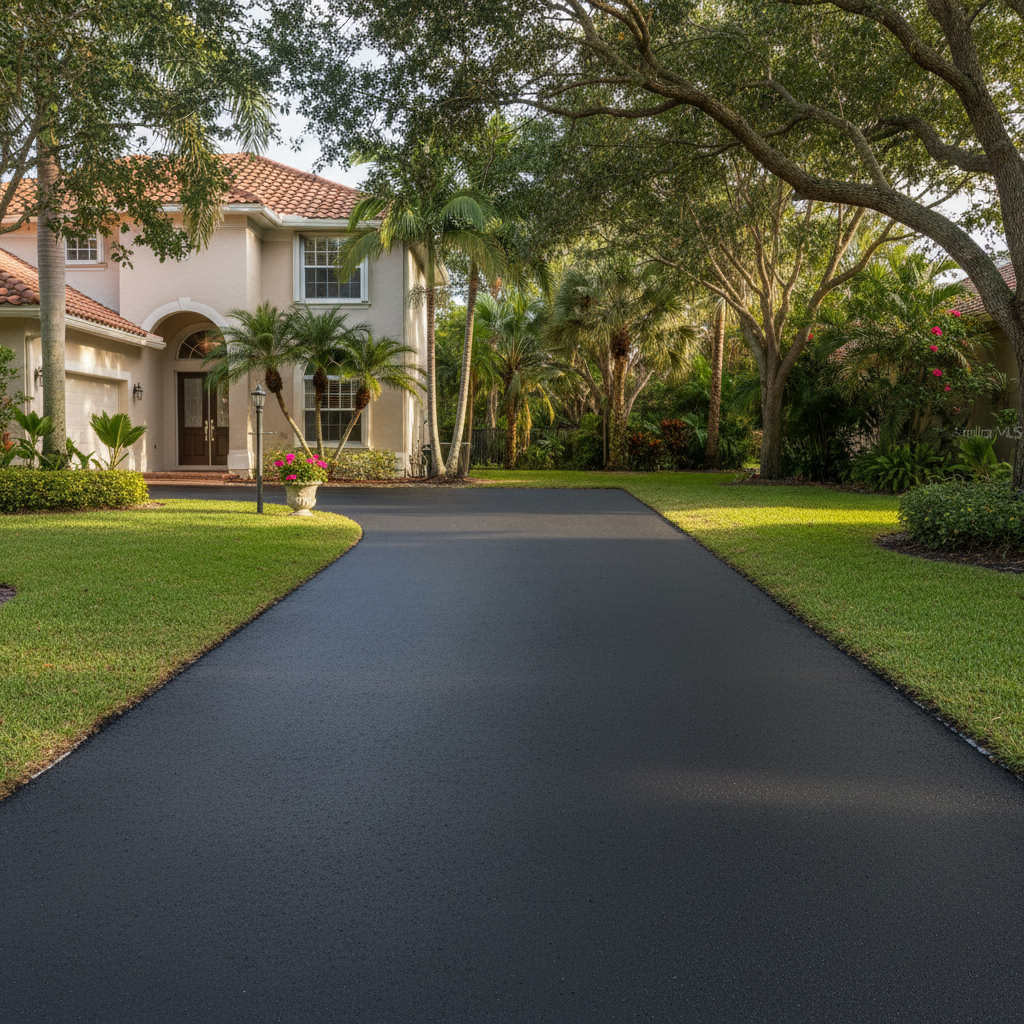
So, you just put in a new asphalt driveway or parking lot. Or maybe you've had one for a while, and you're wondering how to keep it from falling apart in this Florida sun. Good question, that. Down here in Sunrise, our climate really beats up asphalt. If you don't take care of it, you'll be staring at cracks and potholes way sooner than you'd like. Trust me, I've seen it countless times.
Making Your Florida Asphalt Last Longer
Our heat and humidity, plus those afternoon downpours, are constantly working against your asphalt. The sun's UV rays dry out the binders, which makes the pavement brittle. Then, the rain seeps into those tiny cracks, expanding them when the temperature shifts — even if it's just a little bit here. That's why keeping up with maintenance isn't just a good idea; it's absolutely necessary if you want your asphalt to hit its full lifespan. With the right care, that can be 15-20 years.
The biggest thing you can do to make it last? Keep it sealed. Think of sealcoating like sunscreen for your asphalt. It protects against UV rays, stops water from getting in, and even helps fend off oil and gas spills. For homes, I usually suggest sealcoating every 2-3 years. Commercial places, with all their heavy traffic, might need it every 1-2 years. It's a small cost upfront, but it really pays off by putting off those expensive repairs and full repaving jobs.
What Regular Maintenance Looks Like Around Here
Beyond sealcoating, you can do a few simple things yourself to keep things neat and stop bigger problems from popping up:
- Keep it Clean: Sweep off dirt, leaves, and other junk regularly. Organic stuff can hold moisture against the surface, and dirt acts like sandpaper.
- Clean Spills Right Away: Oil, gas, and other chemicals can soften and break down asphalt. Blot them up fast, then clean the spot with some mild soap and water.
- Trim the Edges: If you've got grass or weeds growing along your asphalt's edges, cut them back. Roots can mess with the pavement underneath, and plants hold moisture.
- Handle Water: Make sure your drainage is doing its job. Puddles that sit for days? Huge problem. If water isn't flowing off your property correctly, it'll find its way under your asphalt. That's when you really start seeing trouble, like alligator cracking or potholes.
These little habits might seem minor, but they really add up. Especially when you're dealing with the constant moisture and sun we get here in Sunrise, from the older homes in Nob Hill to the newer developments near Weston Road.
Warning Signs You Should Pay Attention To
Your asphalt will tell you when it's having issues, if you just know what to look for. Don't wait until it's a full-blown crater before you do something. Here are the red flags:
- Small Cracks: Any crack, even a tiny hairline one, is an open invitation for water. If you see them, especially if they're starting to connect like an alligator's skin, you need to act. Crack sealing is way cheaper than patching or repaving, believe me.
- Fading Color: If your asphalt looks gray instead of black, it means the binders are oxidizing and drying out. This is a clear sign it's losing its protective qualities and needs sealcoating.
- Potholes: These aren't just a warning sign; they're a full-blown problem. Potholes usually start as small cracks that water gets into. Then, traffic breaks away the weakened material.
- Ponding Water: If you see standing water after a rain shower that doesn't drain in a few hours, you've got a drainage issue or a dip forming. This will lead to faster deterioration.
- Raveling: This is when the aggregate (the small stones) starts coming loose from the surface, making it look rough and worn. It means the binder is failing.
When to Call a Pro
Look, for the small stuff, you can probably handle it yourself. Sweeping, cleaning spills, keeping grass away — that's easy. But when you start seeing those warning signs, that's when you need to bring in the pros. Trying to fix big cracks or potholes yourself often leads to temporary fixes that don't last, especially with our heavy rains. You might just be throwing money away.
You should call All Star Asphalt Co. if you notice:
- Lots of cracking, especially that alligator-skin pattern.
- Potholes deeper than an inch or wider than a dinner plate.
- Big areas where the surface is crumbling (that's raveling).
- Water that just sits there, which points to drainage problems or structural issues.
- If it's been more than three years since your last sealcoat, or if your asphalt looks faded and brittle.
Getting a professional assessment early can save you a lot of headaches and money down the road. We can properly figure out what's wrong and recommend the right fix, whether it's crack filling, patching, or a fresh sealcoat. Don't wait until your asphalt is completely falling apart; a little proactive maintenance goes a long way in keeping your property looking good and safe for everyone who uses it.