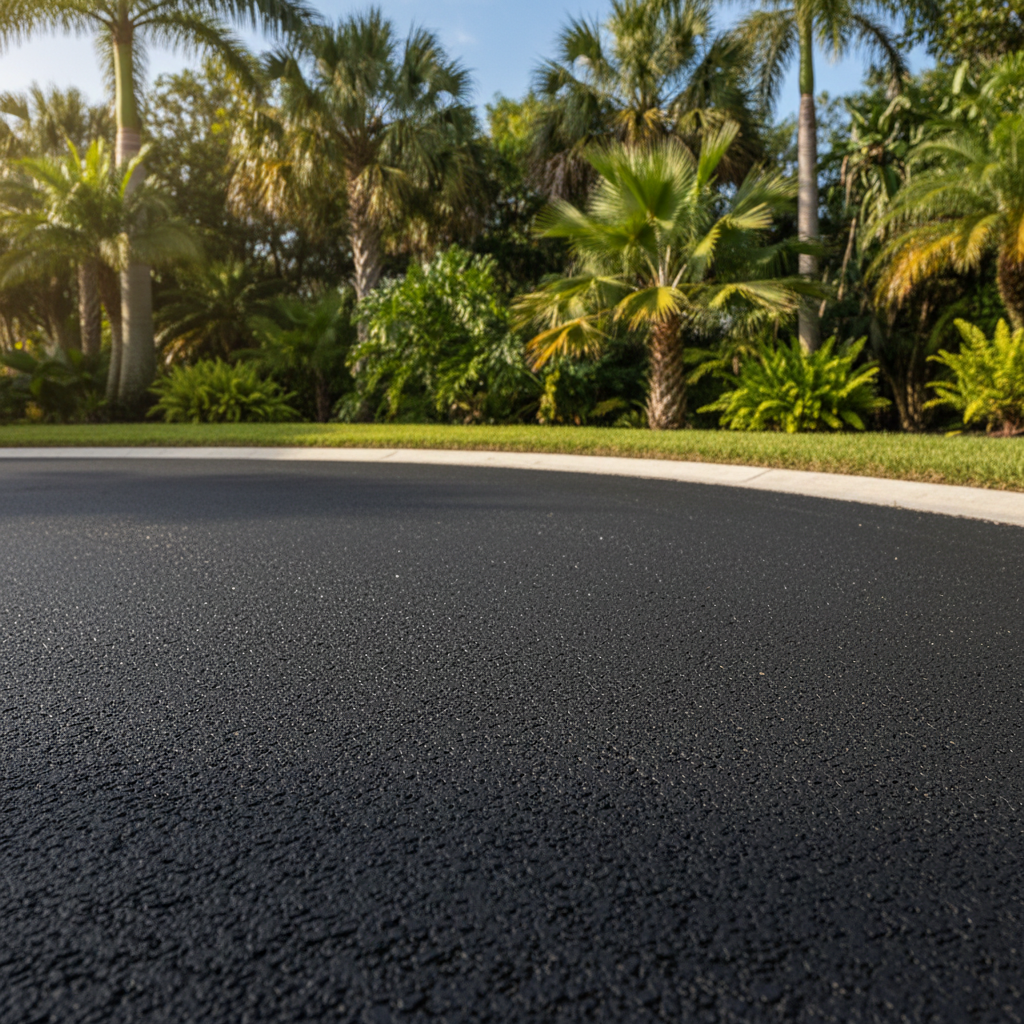
You might be thinking, "Commercial asphalt? I'm a homeowner, not a business owner!" And usually, you'd be right. Most residential driveways do just fine with standard asphalt mixes, the kind made for lighter traffic. But sometimes, a homeowner really needs something tougher. Maybe you've got an RV, a boat, or some heavy equipment you're always moving around. Or perhaps you've just had terrible luck with regular driveways cracking under the South Florida sun and those heavy rains, and you're finally ready for an upgrade.
When I talk about "commercial-grade" asphalt for a homeowner, what I really mean is a heavier-duty application. This means thicker layers, a stronger base, and often a more durable asphalt mix designed to take more of a beating than your average residential driveway. It's an investment, absolutely, but one that can really pay off in how long it lasts and how few headaches you'll have later on.
Before You Even Think About Paving
First things first, you've got to figure out if you actually need this kind of heavy-duty treatment. Are you just fed up with cracks, or do you genuinely have heavy vehicles or a lot of traffic on your property? If it's just cracks, sometimes a good repair and a regular sealcoating schedule is all you need. But if you're constantly parking a construction trailer or a big boat, then a stronger foundation is probably in order, wouldn't you say?
Here's what you should consider:
- Subgrade Condition: This is just the dirt underneath everything. In Sunrise, especially in places like New River Estates where you might find older homes or areas closer to the canal, the soil can be a mix of sand and clay. Sometimes, it's not as stable as you'd like. A good contractor will always check this out. If your subgrade is weak, it needs to be stabilized or even replaced; otherwise, even the best asphalt won't hold up. This isn't a DIY job, by the way; you need heavy equipment and expertise.
- Drainage: Water is asphalt's worst enemy. If water sits on your pavement or, worse, seeps underneath it, you're going to have problems. Think about how water flows on your property. Do you need to add French drains, catch basins, or make sure there's a proper slope? This is absolutely critical for any paving project, but especially for a heavy-duty one where you expect decades of service.
- Permits: Depending on how big and involved your project is, you might need a permit from the City of Sunrise. Don't skip this step! Your contractor should be able to guide you, but ultimately, it's your responsibility as the homeowner.
- Budget: Let's be real, commercial-grade asphalt isn't cheap. It uses more material, more labor, and often requires more extensive site preparation. Get multiple quotes and really understand exactly what you're paying for.
What can you do yourself here? You can watch your drainage, measure your area, and do some initial research on local permitting requirements. You can also clear out any existing debris or vegetation. But for assessing the subgrade and planning major drainage, you'll definitely want a pro.
During the Installation: What to Expect
Once you've decided to go ahead, the process for a heavy-duty asphalt job is pretty involved. It's not just about dumping hot asphalt on the ground, believe me.
- Excavation and Base Preparation: This is where the real work begins. We'll dig out the existing material, often deeper than a standard residential job, to create a solid foundation. Then, we'll lay down a thick layer of aggregate base – usually crushed limestone here in Florida. This base needs to be compacted thoroughly, often in multiple layers, to get maximum density. This is 100% a professional job. You need heavy rollers and experienced operators to get this right.
- Binder and Surface Layers: For a truly heavy-duty application, you might get two layers of asphalt: a binder course and a surface course. The binder course is a coarser mix that provides strength and stability. The surface course is finer, giving you that smooth, durable finish. Each layer is laid hot and compacted right away. These layers will be thicker than what you'd find in a standard driveway.
- Compaction: I really can't stress this enough – proper compaction is key. It makes sure the asphalt is dense, durable, and resistant to water. If it's not compacted correctly, you'll see cracking and deterioration much too soon.
During installation, your main job is to stay out of the way, ask questions, and make sure the work is moving forward as you agreed. Don't try to roll the asphalt yourself; leave that to the folks with the heavy machinery and know-how, like us at All Star Asphalt Co.
After the Project: Keeping It Strong
So, you've got your brand-new, super-tough asphalt surface. Now what? It's not a set-it-and-forget-it deal, even with commercial-grade stuff.
- Curing Time: Don't drive on it right away! Asphalt needs time to cure and harden. Your contractor will give you specific instructions, but generally, you'll want to stay off it for at least 24-72 hours, and avoid heavy vehicles for a week or more.
- Sealcoating: This is your first line of defense against the elements. About 6-12 months after installation, you'll want to apply a high-quality sealcoat. This protects the asphalt from UV rays, water, and oil spills. Then, plan to re-seal every 2-3 years, depending on traffic and how much weather it sees. You can technically do sealcoating yourself, but for a large, heavy-duty surface, I'd recommend having a professional do it to ensure an even application and proper material.
- Crack Sealing: Even the best asphalt will eventually develop small cracks. Address these quickly! Don't let them turn into potholes. Fill them with a good quality crack filler. This is something a homeowner can definitely do themselves for minor cracks. Just make sure the crack is clean and dry before applying.
- Cleaning: Keep your asphalt clean. Sweep away debris, leaves, and dirt regularly. Oil and gas spills should be cleaned up immediately, as they can break down the asphalt binder.
Investing in heavy-duty asphalt for your Sunrise home is a smart move if you need that extra resilience. Just make sure you understand the process, work with experienced professionals, and commit to the ongoing maintenance. It'll save you money and headaches in the long run.