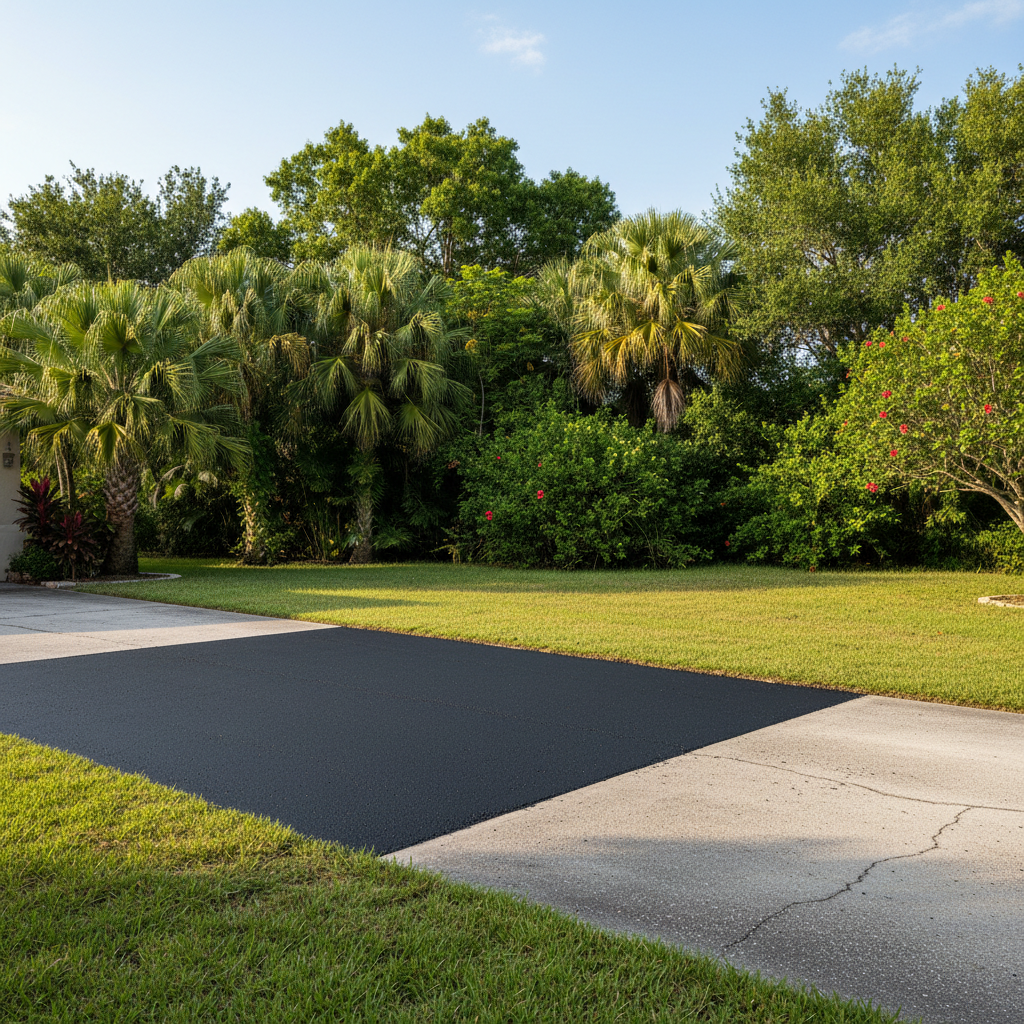
So, you've just had some asphalt patching done, right? Maybe it was a nasty pothole in your parking lot, a cracked bit of your driveway, or those utility cuts that finally got filled. Good job! But getting the patch laid down? That's really only half the battle, especially when you're dealing with the climate here in Sunrise.
See, Florida's weather is just plain brutal on asphalt. The intense sun, those heavy rains we get, and the constant humidity all gang up to break down even the toughest materials. If you don't look after those patches, well, you'll be giving me a call a lot sooner than you'd probably like. I've seen it happen countless times in neighborhoods from New River Estates to Plantation Acres – folks get a repair, then totally forget about it until it's a problem all over again. So, let's chat about how to make that patching last.
Making Your Asphalt Patch Last Longer
The biggest thing you can do to extend the life of any asphalt work – patches especially – is proper sealing. Think of it like sunscreen for your pavement. Once your patch has cured (that usually takes a few days to a week, depending on the material and the weather), you really should be looking at sealcoating the whole area. Or, if it's a smaller repair, just the patched section. Sealcoating protects against UV rays, keeps water from seeping in, and even fends off chemical spills like oil or gas. Pretty neat, huh?
Another crucial step is managing drainage. We get some serious downpours here in South Florida, no kidding. If water is constantly pooling on or around your patch, it's going to find its way underneath and start eroding the sub-base. And that, my friend, is a recipe for disaster. Make sure any patched areas are properly graded so water sheds away. If you see standing water after a rain, that's a big red flag you really need to take care of.
Finally, try to control heavy traffic. While a good patch is designed to handle normal loads, constantly driving heavy vehicles over a fresh patch – or even an older one that's looking a bit worn – will absolutely shorten its lifespan. If you’ve got delivery trucks or heavy equipment regularly using the area, maybe think about reinforcing those sections. Or, you know, just divert traffic until the patch is fully settled and sealed.
Regular Maintenance: What You Should Be Doing
Regular maintenance for asphalt patching isn't rocket science, but it does need a little attention. Here's what I always tell my clients:
- Keep it Clean: Sweep away dirt, leaves, and other debris pretty regularly. Organic stuff traps moisture, and that can lead to moss or algae, which just holds even more water against the asphalt.
- Watch for Weeds: Any cracks, even tiny ones, are basically an open invitation for weeds to sprout. Their roots can widen cracks and mess with the pavement underneath. Pull them out fast, and maybe consider putting down some pre-emergent herbicide along the edges.
- Inspect After Storms: After our typical summer thunderstorms or a tropical system rolls through, take a walk around your property. Look for any new cracks, loose aggregate, or spots where water is now pooling differently.
- Re-seal as Needed: Depending on how much traffic it gets and how much sun it sees, you'll want to re-seal your asphalt every 2-3 years. This isn't just about making it look nice; it's vital protection.
Warning Signs of Trouble
Catching problems early can really save you a bundle. Here are some things to keep an eye out for:
- New Cracks Around the Patch: This is a big deal. If you start seeing cracks forming right at the edges of your patch, or new ones popping up within the patched area itself, it could mean the patch isn't bonding right. Or maybe there's a deeper issue with the sub-base.
- Fading or Discoloration: Sure, sealcoat will fade over time. But if the asphalt itself starts looking gray and brittle, that means it's losing its protective oils and becoming way more vulnerable to damage.
- Potholes or Depressions: Obvious, I know, but any new dips or holes mean the structural integrity is compromised. Water will just collect there, making everything worse.
- Raveling: This happens when the aggregate (those small stones) starts coming loose from the asphalt binder. It looks like the surface is literally falling apart. Usually, it means the asphalt is drying out and losing its flexibility.
- Standing Water: Like I said, water is asphalt's arch-nemesis. Any new spots where water consistently sits after it rains are a sure sign of a drainage problem or settlement.
When to Call a Professional
Look, I'm a contractor, so you might think I'd say